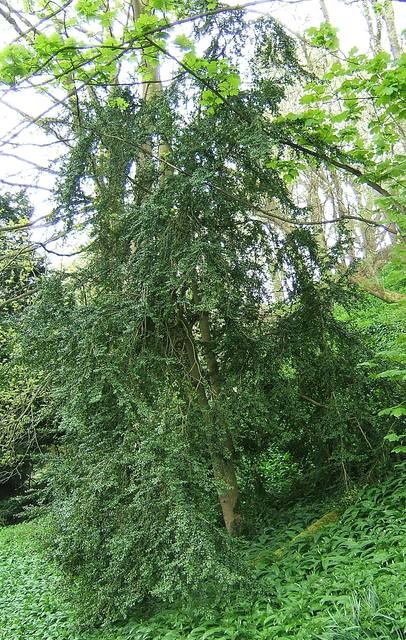
Photo: MPF (assumed by Wikimedia Commons) · CC BY 2.5 · Wikimedia Commons

Common box
Buxus sempervirens
Also called Boxwood, European box
Shrub · Family Buxaceae · Native to Southern and western Europe, North Africa and western Asia
A dense, slow evergreen shrub with small glossy leaves, used for hedges, edging and clipped shapes. It is long-lived but now suffers from two serious pests and a disease.
Toxic to cats and dogs
Toxic principle: Alkaloids
Signs: Dogs and cats: vomiting, diarrhea
Care
Light
Part sun
Sun or part shade. Full hot afternoon sun can scorch and bronze the leaves. Deep shade makes it thin.
Water
About every 10 days in the growing season, every 30 in the cool season
Water new plants weekly in dry weather for the first 2 years. Established plants need water only in long dry spells. Mulch to keep the shallow roots cool and wet soil to a minimum.
Water when the top 5 cm (2 in) of soil is dry
Humidity
Medium humidity
Outdoor humidity is no concern. Dense, damp, still air favours box blight, so allow air flow.
Temperature
10 to 27 °C (50 to 81 °F)
Hardy to about -23 °C (-9 °F). Winter sun and wind can bronze leaves but plants usually recover.
Soil
Any well-drained soil, from neutral to alkaline. It copes with chalk. Mulch, and avoid wet, heavy ground.
Feeding
Every 12 weeks in the growing season
Feed once in spring with a balanced slow-release feed. About every 12 weeks at most. Avoid late feeding, which gives soft growth.
Repotting
Not repotted when in the ground. Potted plants may need a bigger pot every 3 to 4 years.
Pruning
Clip hedges once or twice a year, in late spring and late summer, cutting in a slight taper. Avoid clipping in hot sun. Clean tools to avoid spreading box blight.
Propagation
Take 10 cm (4 in) semi-ripe cuttings in late summer and root them in gritty mix. It takes 6 to 8 weeks and several months to establish. Seed is slow.
Size
60 to 300 cm (24 to 118 in)
Slow growing
Outdoors
USDA zones 5 to 8
Plant in autumn or spring, 30 to 40 cm (12 to 16 in) apart for a hedge. Give shelter from drying winds. Check often for box blight and moth caterpillars.
Common problems
Brown or black leaf spots, bare patches
Box blight
Remove and bin affected shoots, clean tools and avoid wetting foliage. Give more air.
Leaves webbed together and chewed
Box tree moth caterpillars
Hand-pick caterpillars or use pheromone traps. Check often from spring to autumn.
Leaves turn bronze or orange
Winter cold, wind or dry soil
Water in autumn if dry and mulch. It often recovers in spring.
Yellow leaf tips and sticky leaves
Box psyllid or box suckers
Clip off affected tips in early summer.
Whole branches die back
Root rot or box blight
Cut out dead wood. Improve drainage.
Did you know?
Box wood is so dense that it sinks in water, which made it a favourite for chess pieces, combs and wood engraving blocks.
General care information for a typical plant. Conditions in your home or garden may need a different rhythm.
Not sure what your plant is?
Identify a plant from a photoSee this guide in the appKagn Plants also keeps your own plants with watering reminders, and its plant doctor reads what is wrong with one.
Updated 22 November 2026.