Photo: rojypala · CC BY 2.0 · Wikimedia Commons

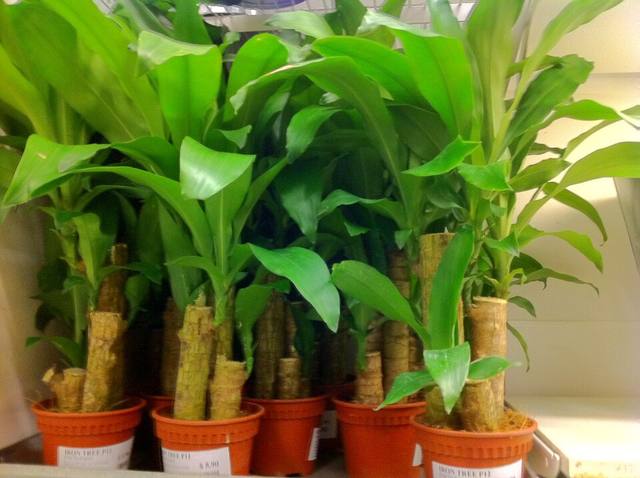
Corn plant
Dracaena fragrans
Also called Cornstalk dracaena, Mass cane, Dragon tree, Ribbon plant
Houseplant · Family Asparagaceae · Native to Tropical Africa
A tall, cane-like plant with wide, arching, corn-like leaves, often striped. It is an easy plant for medium light and is popular in offices.
Toxic to cats and dogs
Toxic principle: Saponins
Signs: Vomiting (sometimes with blood), depression, loss of appetite, drooling, dilated pupils (cats)
Care
Light
Medium light
Medium to bright indirect light. Low light makes striped types fade; direct sun scorches the leaves and causes brown patches.
Water
About every 10 days in the growing season, every 18 in the cool season
Water thoroughly and let the top dry. It is sensitive to fluoride in tap water, which causes brown tips; rainwater or filtered water helps.
Water when the top 5 cm (2 in) of soil is dry
Humidity
Medium humidity
Normal home humidity is fine. Dry air with fluoride water gives brown leaf tips.
Temperature
18 to 29 °C (64 to 84 °F)
Best at 18 to 29 °C (64 to 84 °F). Below 10 °C (50 °F) it is damaged.
Soil
Well-draining potting mix with extra perlite. The pot must drain; use a heavy pot for tall plants.
Feeding
Every 6 weeks in the growing season
Feed every 6 weeks in spring and summer with a diluted fertiliser. None in winter.
Repotting
Every 3 years
Repot every 2 to 3 years in spring, only when roots fill the pot.
Pruning
Cut the top off a leggy cane in spring and it sprouts new shoots below the cut. Remove brown lower leaves.
Propagation
Cut cane sections 10 cm (4 in) long and lay them in damp mix, or root a cut top in water or moist soil. Roots take 4 to 8 weeks.
Size
100 to 300 cm (39 to 118 in)
Slow growing
Outdoors
USDA zones 10 to 12
Outdoors in frost-free climates in part shade. In cooler regions grown indoors.
Common problems
Brown leaf tips
Fluoride in tap water or dry air
Use rainwater or filtered water; trim the tips.
Yellow lower leaves
Natural ageing or overwatering
Remove old leaves; water less if many leaves.
Brown patches
Direct sun or cold
Move away from hot windows and draughts.
Soft, wrinkled cane
Root rot from wet soil
Take a cutting from the healthy top and repot.
Faded stripes
Low light
Move to a brighter spot.
Did you know?
Its fragrant flowers open at night, but indoor plants rarely bloom. The name fragrans comes from that scent.
General care information for a typical plant. Conditions in your home or garden may need a different rhythm.
Not sure what your plant is?
Identify a plant from a photoSee this guide in the appKagn Plants also keeps your own plants with watering reminders, and its plant doctor reads what is wrong with one.
Updated 22 November 2026.